
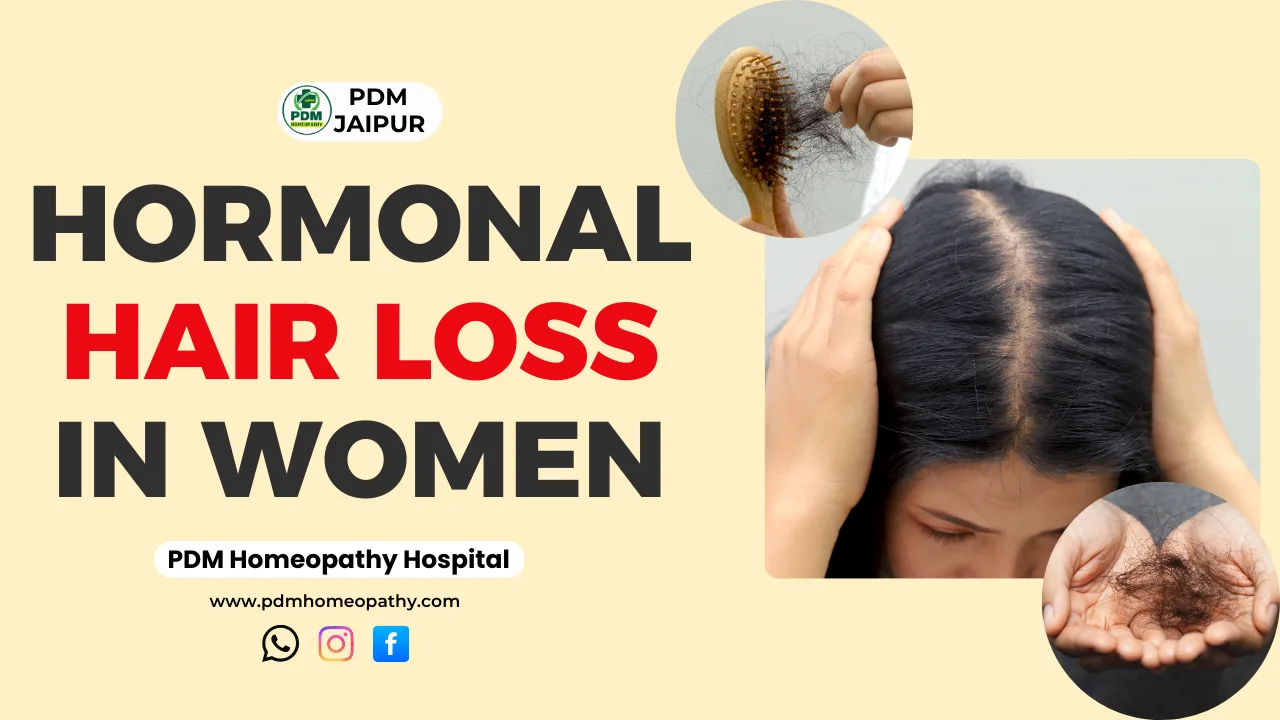
Hormonal hair loss in women is a common, often distressing condition linked to life stages like postpartum and menopause, or underlying issues such as PCOS and thyroid disorders. These changes disrupt the delicate balance of estrogen, progesterone, and androgens, leading to diffuse thinning and increased shedding. Understanding the root cause is the first step toward effective management and regrowth.
Hello, I’m one of the senior homeopathic practitioners at PDM Homeopathy. With over nine years of experience, one of the most emotionally charged concerns my colleagues and I help women navigate is hair loss. You look in the mirror and see a wider part, more hair on your brush, or thinning at your crown. I know from my clinical practice that this is more than just a cosmetic issue; it feels like a loss of vitality and identity.
I want you to know you are not alone, and there is a path forward. Our goal with this guide is to demystify hormonal hair loss, blend evidence-informed insights with our clinical experience, and show you how the patient-first approach we practice at PDM Homeopathy can help restore not just your hair, but your confidence.
Which Hormonal Changes Cause Hair Loss in Women?
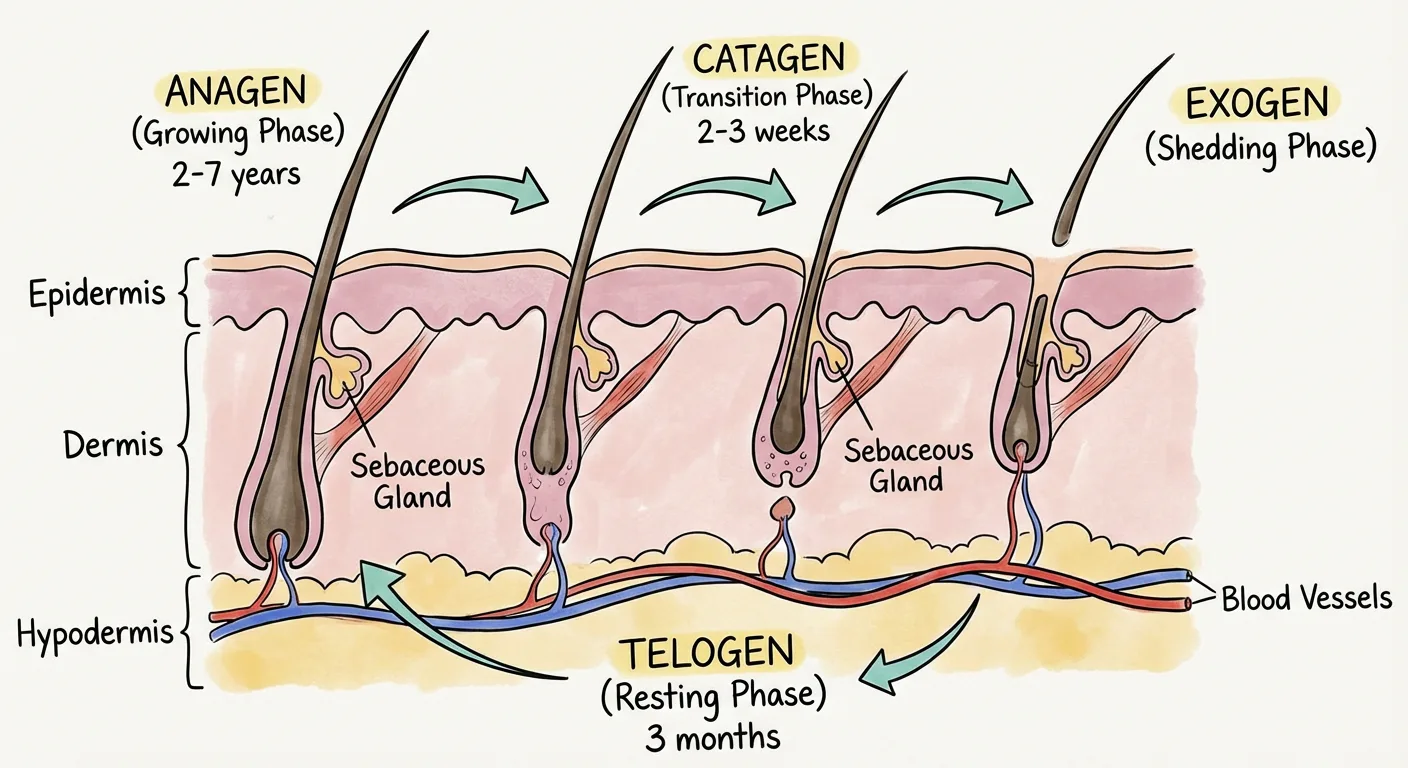
To understand hair loss, we first need to appreciate the hair growth cycle, which has three main phases:
- Anagen (Growth Phase): The active phase where hair grows, lasting 2–7 years.
- Catagen (Transition Phase): A short, 10-day phase where the hair follicle shrinks.
- Telogen (Resting/Shedding Phase): The follicle rests for about 3 months before the hair is shed.
Hormones are powerful messengers that influence this cycle. When they are out of balance, they can shorten the growth phase and push more hairs into the shedding phase. This is the root of hormonal hair loss, also known as Female Pattern Hair Loss (FPHL).
Here are the most common hormonal triggers we see in our patients at PDM Homeopathy:
Menopause and Perimenopause
This is the most frequent cause I encounter in women over 40. During menopause and perimenopause, estrogen and progesterone levels decline. Estrogen is “hair-friendly”—it keeps hair in the growth phase longer. When it drops, the influence of androgens (like testosterone) increases. An androgen byproduct called DHT binds to hair follicles, causing them to shrink. This results in finer, shorter hairs and the classic widening part or thinning on the crown.
Postpartum Hair Loss
During pregnancy, high estrogen levels lead to thick, luscious hair. After delivery, estrogen plummets, and a large number of hairs shift into the shedding phase. About three months postpartum, this causes a dramatic but usually temporary shedding event called telogen effluvium.
Polycystic Ovary Syndrome (PCOS)
PCOS is an endocrine condition characterized by an excess of androgens. This is a direct trigger for FPHL, often starting at a younger age. At PDM Homeopathy, we have extensive experience helping patients manage the holistic picture of PCOS, where hair loss is a key symptom.
Thyroid Disorders
The thyroid gland is the master regulator of metabolism. Both hypothyroidism and hyperthyroidism can disrupt the hair cycle, leading to diffuse shedding. Correctly identifying and addressing the thyroid and hair loss connection is a critical part of our diagnostic process.
Stress and Cortisol
Chronic stress raises cortisol, the “stress hormone.” High cortisol can prematurely push hair into the shedding phase, triggering telogen effluvium.
What Are the Signs of Hormonal Hair Loss vs. Other Types?
Identifying the pattern of your hair loss is crucial. Hormonal hair loss typically presents with:
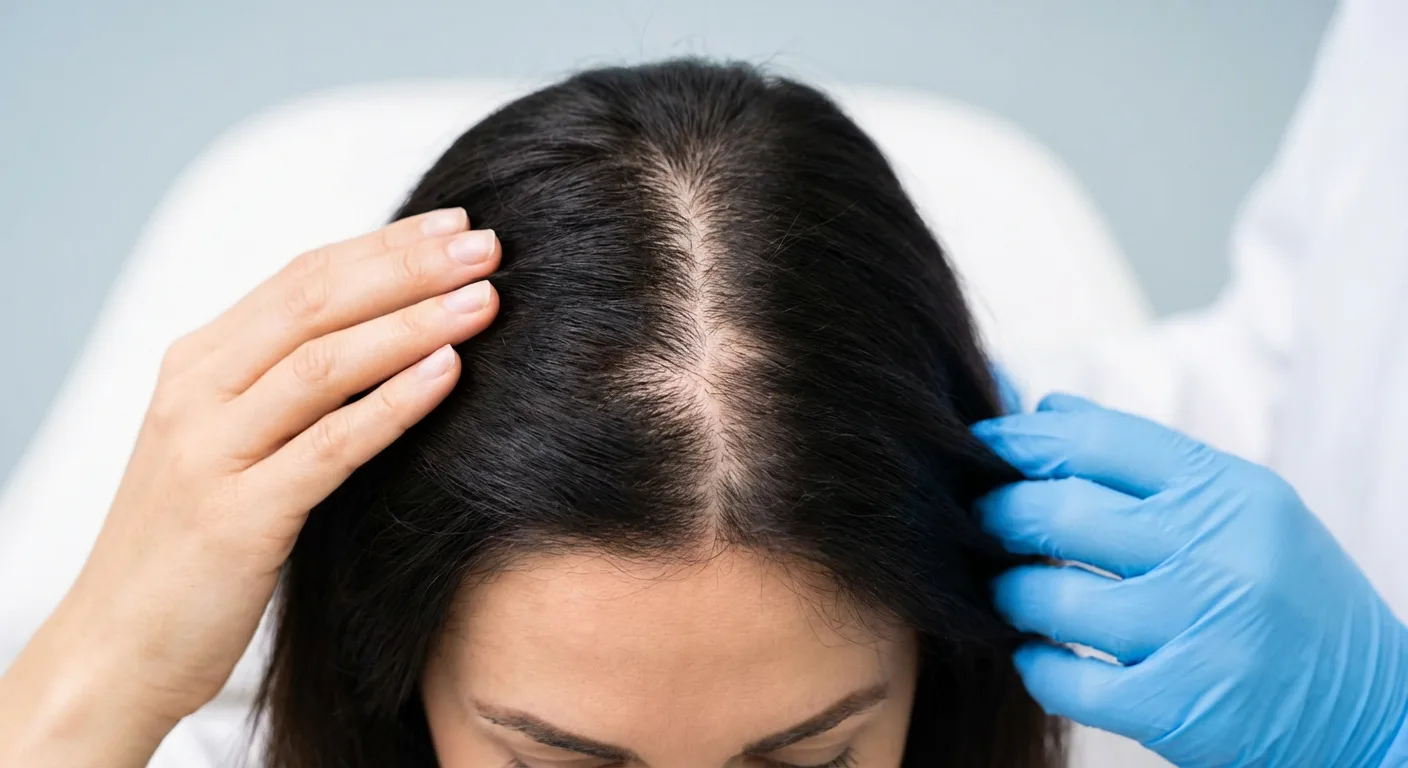
- A Widening Part: Often the first and most noticeable sign.
- Diffuse Thinning: A general decrease in volume, especially on the top of the head.
- Thinning on the Crown: The hair at the top and crown becomes noticeably less dense.
- Increased Shedding: More hair than usual on your pillow, in the shower, or on your brush.
- No Receding Hairline: Unlike male pattern baldness, women typically maintain their frontal hairline.
How is Hormone-Related Hair Loss Diagnosed?
At PDM Homeopathy, we believe a precise diagnosis is the foundation of effective treatment. We never guess. Our process begins with a comprehensive consultation to build your full health story—your symptoms, stress levels, diet, and family history.
From there, a diagnostic plan often includes:
- Clinical Examination: A simple “pull test” and a close look at your scalp and hair pattern.
- Blood Tests: This is where we get objective data. The comprehensive blood tests we often recommend help us connect the dots between your symptoms and their cause. A panel may include:
- Hormone Levels: DHEA-S, Total & Free Testosterone, Prolactin.
- Thyroid Panel: TSH, Free T3, Free T4.
- Nutrient Deficiencies: Ferritin (iron stores), Vitamin D, Zinc, and B12.
These tests allow us to distinguish between menopausal hair loss, PCOS hair loss, or a thyroid issue, enabling a truly targeted and personalized treatment plan—the cornerstone of our practice.
What Are the Best Treatments for Hormonal Hair Loss in Women?
Treatment should always be aimed at the root cause. While we respect and acknowledge conventional medicine, our focus at PDM Homeopathy is on holistic, sustainable results.
First, it’s important to be informed about established medical treatments:
| Treatment Type | How It Works | Effectiveness & Considerations |
|---|---|---|
| Topical Minoxidil | FDA-approved vasodilator that may prolong the growth phase. | A first-line medical treatment. Requires continuous use. |
| Anti-Androgen Medications | Prescription drugs that block DHT’s effects on follicles. | Often used for PCOS-related hair loss. Requires a doctor’s prescription. |
| PRP Therapy | Injections of your own platelet-rich plasma to stimulate follicles. | A promising, but often costly, series of treatments. |
| Low-Level Laser Therapy (LLLT) | FDA-cleared devices that use red light to stimulate follicles. | Results vary; consistency is key. |
The Homeopathic Approach: Treating the Root Cause, Not Just the Person
This is where the PDM Homeopathy difference becomes clear. While the treatments above can be effective, they often manage symptoms without correcting the underlying imbalance. Our philosophy is different. We don’t just treat “hair loss”; we treat you.
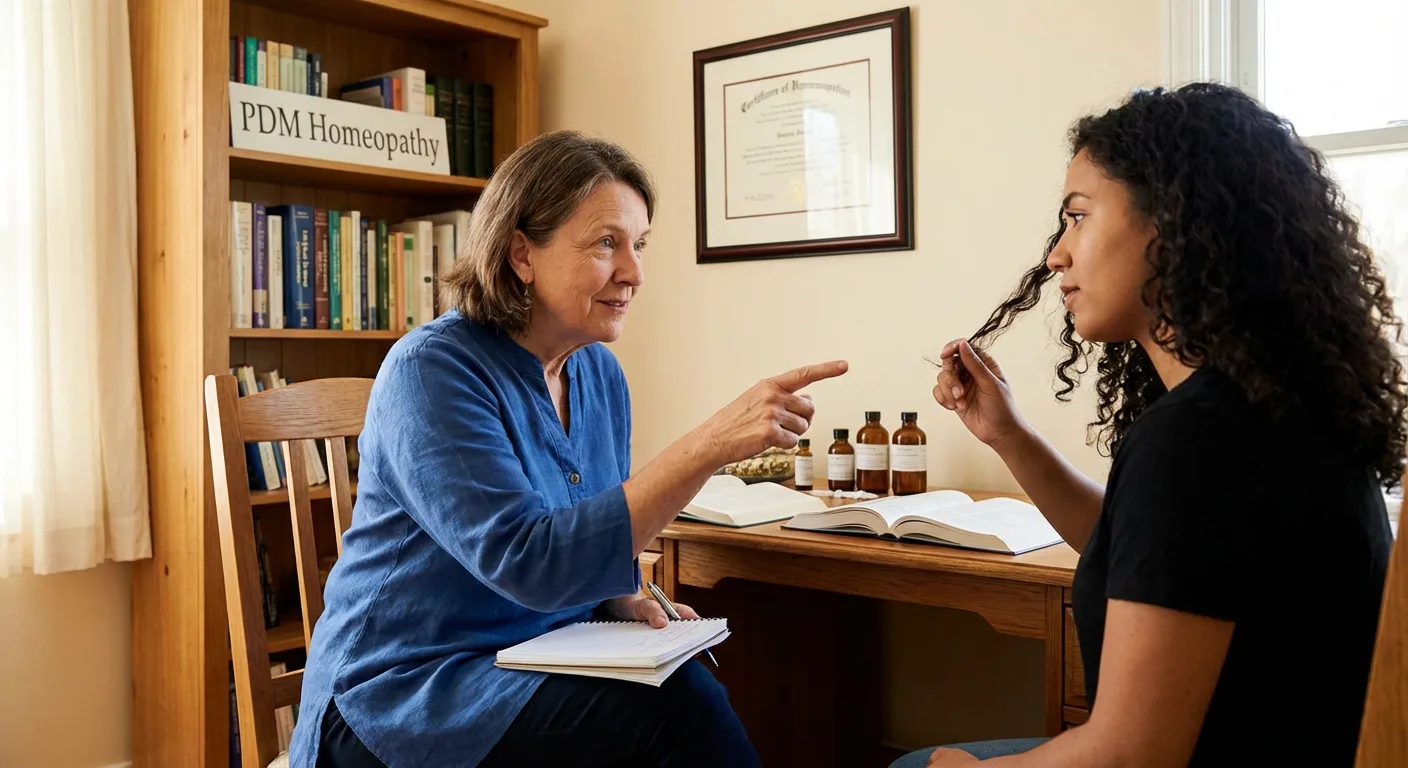
A woman with hair loss from PCOS has a different internal state than a woman with menopausal hair loss. Our detailed initial consultation is designed to understand this unique health story. This allows our practitioners to:
- Address the Root Cause: We select a constitutional remedy that matches your unique symptom picture—physical, mental, and emotional. This is not a generic “hair loss” formula; it’s a remedy chosen for you, to help gently guide your endocrine system back toward equilibrium.
- Support Hormonal Regulation: The homeopathic remedies we prescribe work to support your body’s innate ability to self-regulate. For our menopausal patients, this means easing the transition. For those with PCOS, it means supporting a healthier hormonal balance.
- Improve Overall Vitality: Hair is a barometer of health. Our goal at PDM Homeopathy is not just to see hair regrowth, but to witness a full-body return to vitality—better energy, sleep, and stress resilience.
This is a journey of healing from the inside out. It requires patience, but the results are aimed at lasting well-being.
How to Reverse Hormonal Hair Loss Naturally
While “reversal” depends on the cause, significant improvement is absolutely possible. The personalized homeopathic remedy we prescribe works best when supported by these foundational strategies:
- Optimize Your Diet: Ensure you’re eating enough high-quality protein, iron-rich foods, and healthy fats.
- Focus on Key Nutrients:
- Iron (Ferritin): Low iron stores are a huge cause of shedding we frequently test for.
- Biotin & Collagen: Building blocks for healthy hair structure.
- Saw Palmetto: An herb known for its potential to act as a natural DHT blocker.
- Zinc & Vitamin D: Crucial for follicle health.
- Manage Stress: High cortisol is toxic to hair. We work with our patients to build sustainable stress-management routines like walking, meditation, or yoga.
Your Path to Healthier Hair Begins at PDM Homeopathy
Seeing your hair thin can feel frightening, but at PDM Homeopathy, we see it as an opportunity to listen to your body and rebuild your health from the ground up. By taking a comprehensive, root-cause approach, you can manage shedding, support new growth, and restore your sense of self.
If our personalized, patient-first approach resonates with you, we invite you to take the first step. Consult with Expert Homeopathic Doctor and let’s work together to create a plan that helps you feel like yourself again.